
Phone System for Healthcare Providers | Modern Medical PBX Solutions for Clinics 2026
Phone System for Healthcare Providers
Communication has become one of the most critical factors influencing patient experience in modern healthcare. While hospitals, medical groups, specialty clinics, and private practices invest heavily in technology, staffing, and patient care initiatives, many still operate with communication systems that were designed for a completely different healthcare environment.
The reality is simple: patients expect immediate access to healthcare providers. They want to schedule appointments easily, receive information quickly, and communicate with medical staff without unnecessary delays. When communication breaks down, patient satisfaction suffers, operational inefficiencies increase, and healthcare organizations risk losing valuable opportunities to serve their communities.
This is why the discussion surrounding a modern phone system for healthcare providers extends far beyond traditional phone functionality. Healthcare organizations now require communication infrastructure capable of supporting patient engagement, operational efficiency, compliance requirements, and multi-location operations.
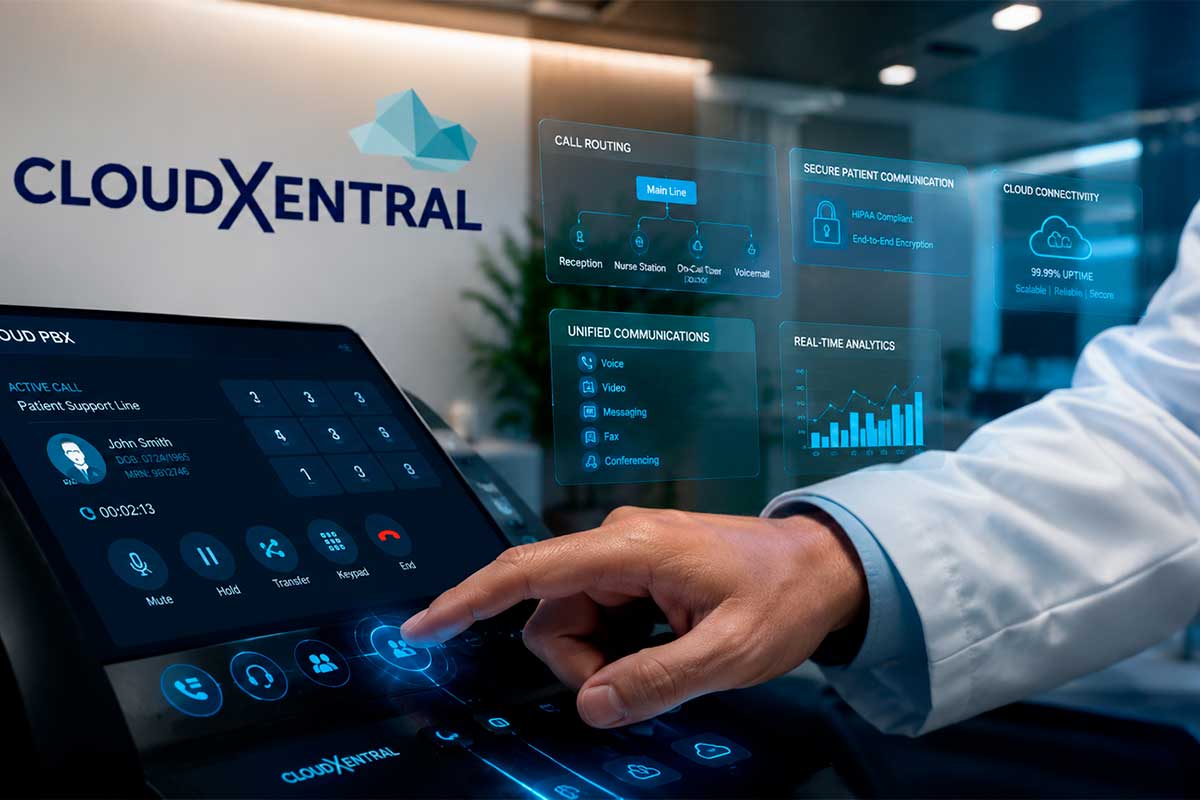
Why Communication Has Become a Critical Part of Patient Experience
For many patients, the first interaction with a healthcare organization happens over the phone. Before they meet a physician, visit a clinic, or receive treatment, they often need to schedule appointments, verify insurance information, request referrals, or ask questions regarding care.
When communication systems fail, the consequences are immediate.
Patients may abandon calls after long wait times. Appointment requests may go unanswered. Important messages may be delayed or routed incorrectly. Over time, these issues negatively impact both patient trust and organizational performance.
Healthcare providers across the United States increasingly recognize that communication infrastructure directly influences patient acquisition, retention, and satisfaction.
Tú podrías estar interesado...
Marcación interna directa permite a las empresas asignar varios números de teléfono a un único sistema PBX, lo que permite a los clientes contactar directamente con empleados o departamentos específicos. Cuando se realiza una llamada a un número DID, la PBX la enruta a la extensión designada sin requerir la intervención de una recepcionista.
Este sistema se integra con tecnologías VoIP y basadas en la nube, ofreciendo funciones avanzadas como desvío de llamadas, correo de voz a correo electrónico y análisis en tiempo real. Las empresas también pueden configurar reglas de enrutamiento de llamadas para garantizar que las consultas de los clientes se dirijan a los equipos adecuados, mejorando la eficiencia general de la respuesta.
The Evolution of Healthcare Communications in the United States
The healthcare sector has experienced major changes over the last decade.
Telehealth services have become more common. Multi-location medical practices continue expanding. Administrative staff increasingly work remotely or in hybrid environments. Centralized scheduling centers now support larger patient populations. These operational changes have exposed limitations within traditional phone systems.
Legacy communication platforms often struggle to support distributed teams, remote access, centralized scheduling, and high-volume patient interactions. As healthcare organizations grow, communication complexity grows with them.
Modern cloud-based communication platforms provide a more scalable and adaptable alternative. This transformation has led many organizations to adopt specialized solutions such as Medical PBX systems designed specifically for healthcare operations.

The Hidden Cost of Missed Patient Calls
One of the most overlooked challenges in healthcare communication is the financial and operational impact of missed calls.
Medical practices invest heavily in patient acquisition strategies. These investments frequently include:
- Google Ads campaigns.
- Local SEO initiatives.
- Healthcare directory listings.
Every incoming call represents a potential patient interaction. A missed appointment inquiry or unanswered consultation request may result in a lost patient who chooses another provider.
This problem becomes even more significant during peak call periods when reception teams are handling appointment requests, insurance verification, referrals, and patient follow-ups simultaneously.
A modern phone system helps reduce these risks by ensuring calls are handled efficiently and directed to the appropriate resources.
How Modern Communication Systems Reduce Patient Frustration
Healthcare communication is often more complex than standard business communication.
Patients may need to reach different departments, speak with specialists, request medical records, confirm appointments, or receive billing assistance.
Without intelligent communication workflows, these interactions can become frustrating and time-consuming.
Modern systems improve patient experiences through capabilities such as automated attendants, intelligent call routing, call queues, and centralized communication management.
Instead of forcing patients to navigate disconnected departments, calls can be routed more efficiently based on the reason for contact.
Why Mobility Matters for Healthcare Professionals
Healthcare providers rarely spend their entire day in a single location. Many physicians divide their time between hospitals, clinics, outpatient facilities, and administrative offices. Nurse practitioners, specialists, and practice managers often work across multiple sites as well.
Traditional communication systems were not designed for this level of mobility. Cloud-based communication infrastructure allows healthcare professionals to remain connected regardless of location.
A modern Medical PBX enables authorized staff to receive calls through secure business extensions while maintaining professional communication standards across multiple facilities.
This mobility improves responsiveness while protecting patient communication workflows.

The Role of Virtual PBX in Modern Healthcare Operations
Behind many healthcare communication systems is a cloud-based PBX virtual infrastructure.
Unlike traditional PBX hardware installed within a facility, cloud-based systems operate through secure internet connectivity and centralized management platforms.
This architecture offers several important advantages for healthcare organizations.
Administrative teams can support patients from multiple locations. New clinics can be added without replacing infrastructure. Communication workflows can be standardized across entire healthcare networks.
Most importantly, healthcare providers gain greater flexibility while reducing dependence on physical communication hardware.
As medical organizations continue expanding geographically, cloud-based PBX technology becomes increasingly valuable.
How Healthcare Organizations Benefit from Centralized Communication
One of the biggest operational challenges facing healthcare providers is fragmentation.
Different departments often operate with separate workflows, communication channels, and contact procedures. This can create confusion for both patients and staff.
A centralized communication environment helps solve this issue by bringing patient interactions into a unified system.
Healthcare organizations can improve:
- Appointment management.
- Internal communication.
- Patient routing.
Centralization reduces communication bottlenecks and creates a more consistent patient experience.
This approach is particularly valuable for multi-location practices and healthcare groups managing large patient populations.
Conclusión
The future of healthcare communication depends on systems that support patient accessibility, operational efficiency, and organizational growth.
A modern phone system for healthcare providers is no longer simply a communication tool. It has become a strategic component of patient experience and healthcare delivery.
Organizations that invest in scalable communication infrastructure today will be better positioned to meet patient expectations, support expanding operations, and deliver a higher standard of service in the years ahead.
FAQS
The best solution is one specifically designed to support healthcare workflows, patient communication, multi-location operations, and secure communication management. Cloud-based Medical PBX platforms are increasingly becoming the preferred option.
Un MedCical PBX improves communication by reducing missed calls, supporting intelligent call routing, simplifying appointment management, and providing a more organized patient experience.
Cloud communication systems offer greater flexibility, scalability, mobility, and centralized management compared to traditional on-premise phone infrastructure.
Yes. Solutions such as Vocametrics allow organizations to analyze communication trends, identify service gaps, and make data-driven improvements to patient interactions.
Healthcare organizations operating multiple locations typically benefit from cloud-based communication platforms that centralize call management, extensions, scheduling operations, and patient support services.
SÍGUENOS EN YOUTUBE
Tú podrías estar interesado...
Contact Center Call Abandonment Businesses invest heavily in SEO, paid …
Click to Call Conversion Businesses invest heavily in SEO, paid …
Contact Center Workforce Forecasting A company can have enough customer …
Virtual PBX Business Continuity Business messaging in the United States …
 ES
ES  EN
EN
2 respuestas