
IP Phone in US 2026 | CloudXentral VoIP & Unified Communications
IP Phone in US 2026
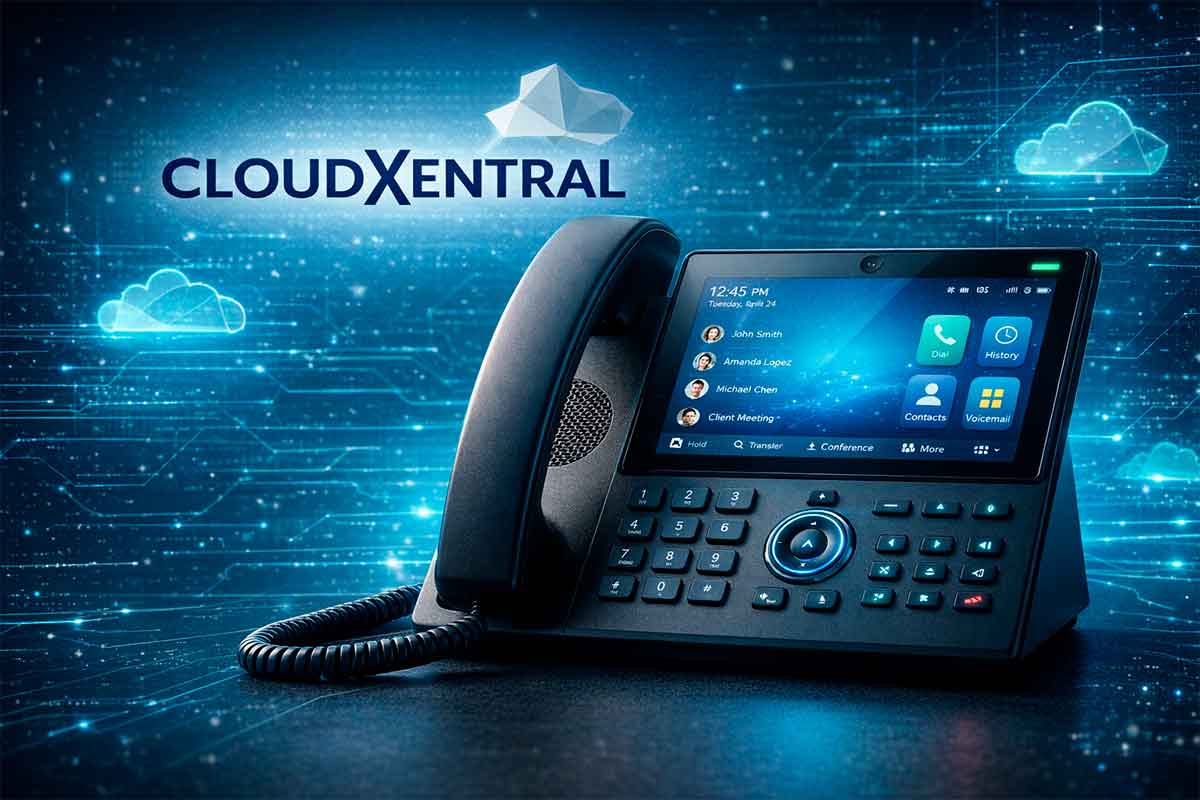
The landscape of business communication continues to evolve rapidly, and the ip phone in US 2026 represents a central component of that transformation. While cloud platforms, AI-driven analytics, and unified collaboration tools dominate industry conversations, the IP phone remains a critical endpoint device in modern enterprise environments across the United States.
From small businesses to multi-location corporations, organizations are upgrading to IP-based telephony systems that integrate seamlessly with cloud infrastructure. The difference in 2026 is not whether companies use IP phones, but how intelligently they deploy them within scalable communication ecosystems.
CloudXentral plays a strategic role in this environment by combining enterprise-grade IP phone hardware with cloud-based communication services. This integration allows businesses to move beyond traditional telephony and embrace a smarter, data-driven model.
Understanding the IP Phone in US 2026
An IP phone, also known as a SIP phone, is a device that transmits voice over internet protocol networks rather than traditional analog telephone lines. In the United States, the transition from PSTN infrastructure to IP-based systems has accelerated due to cost efficiency, flexibility, and cloud adoption.
In 2026, the ip phone in US 2026 is characterized by:
HD voice quality
Touchscreen interfaces
Power over Ethernet (PoE) support
Secure encrypted signaling (TLS/SRTP)
Remote provisioning
Seamless cloud PBX integration
Major manufacturers such as Yealink, Poly, Cisco, Grandstream, and Fanvil dominate the hardware space. However, hardware alone does not determine communication performance. The underlying cloud platform and service provider define the real business value.
CloudXentral provides both the infrastructure and the ability to purchase IP phones pre-configured for immediate deployment, reducing technical friction for companies upgrading their systems.
VoIP in USA 2026: The Foundation Behind IP Phones
Why VoIP Drives the Modern IP Phone
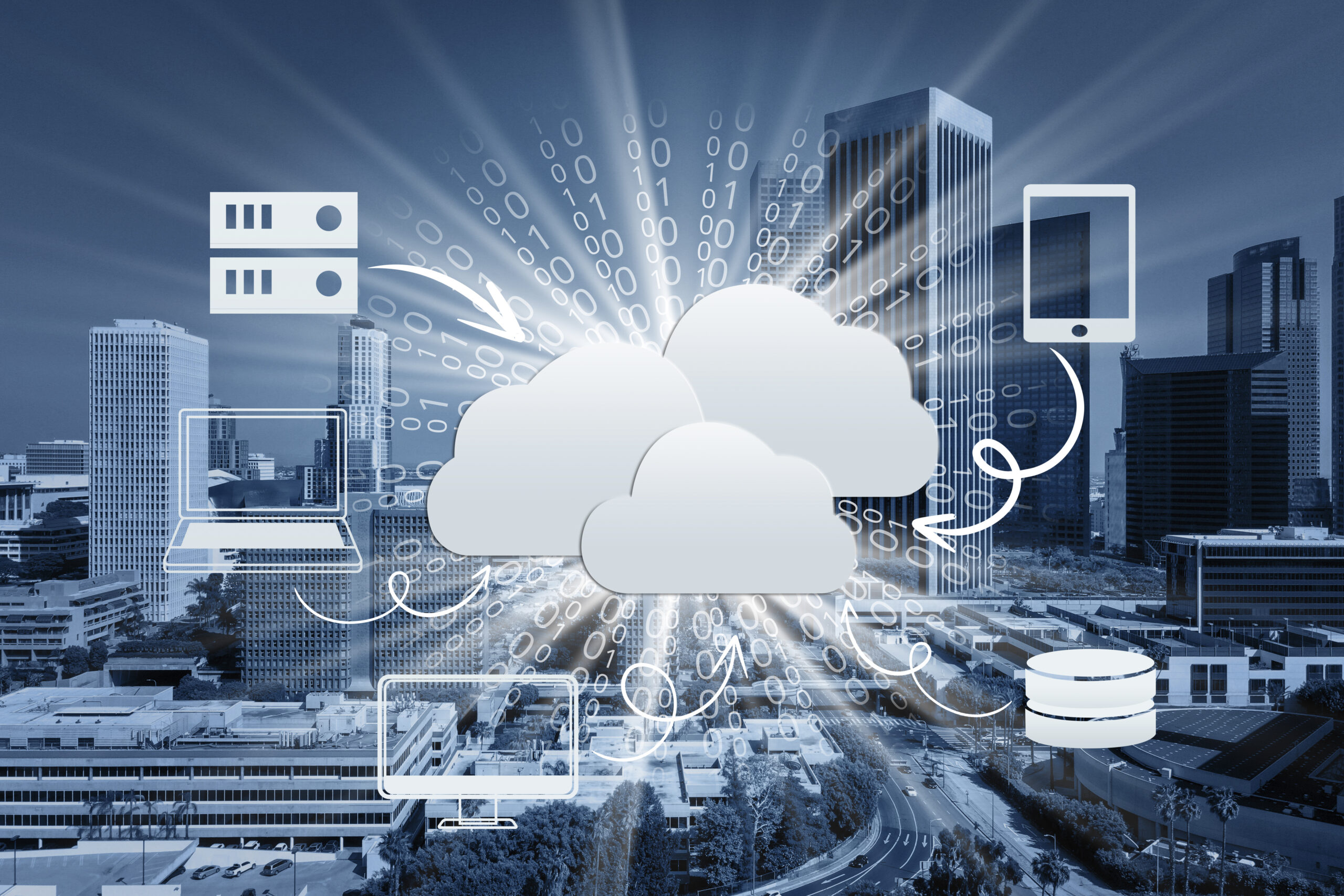
VoIP in USA 2026 has become the dominant standard for business communication. The Federal Communications Commission (FCC) continues to oversee the gradual sunset of legacy copper-based networks, encouraging migration toward IP-based systems.
VoIP enables:
Reduced operational costs
Nationwide scalability
Geographic flexibility
Integration with CRM platforms
Advanced call routing and automation
The ip phone in US 2026 operates entirely within this VoIP environment. Instead of relying on local phone exchanges, calls travel through secure internet channels managed by cloud providers.
CloudXentral’s VoIP infrastructure supports high availability, encrypted communication, and enterprise-level routing. Businesses purchasing IP phones through CloudXentral gain access to a fully optimized cloud ecosystem rather than standalone devices.
You might be interested...
Direct Inward Dialing enables companies to allocate multiple phone numbers to a single PBX system, allowing customers to contact specific employees or departments directly. When a call is made to a DID number, the PBX routes it to the designated extension without requiring intervention from a receptionist.
This system integrates with cloud-based and VoIP technologies, offering advanced features such as call forwarding, voicemail-to-email, and real-time analytics. Businesses can also configure call routing rules to ensure that customer inquiries are directed to the appropriate teams, improving overall response efficiency.
SIP Phone Technology and Secure Communication
The Role of SIP Phone Architecture
A sip phone functions using the Session Initiation Protocol (SIP), which establishes, manages, and terminates voice sessions over IP networks. SIP technology allows IP phones to connect directly to hosted PBX systems in the cloud.
In the ip phone in US 2026 context, SIP phones support:
Remote extension configuration
Secure authentication
VLAN voice segmentation
Interoperability with unified communications platforms
Security remains a top concern in 2026 due to VoIP fraud and cyber threats. Modern SIP phones deployed through CloudXentral operate with encrypted signaling and secure credential management.
This ensures business conversations remain protected, compliant, and stable.

Unified Communications and the Expanding Role of IP Phones
Unified Communications as a Strategic Framework
Unified communications integrates voice, messaging, video, collaboration, and analytics into a single cloud environment. IP phones serve as physical endpoints within this ecosystem.
In 2026, businesses no longer treat IP phones as isolated devices. Instead, they are part of a communication architecture that includes:
Softphones
Mobile applications
Click-to-call integrations
Call center dashboards
AI-based analytics tools
The ip phone in US 2026 functions as one node in a unified system. It allows front-desk staff, call center agents, medical receptionists, restaurant hosts, and legal offices to operate within structured communication workflows.
CloudXentral’s Virtual PBX, Cloud Call Center, IVR in US, and Vocametrics services integrate seamlessly with IP phone hardware. This transforms each device into a data-generating asset rather than a simple voice terminal.
Why Businesses Still Invest in IP Phones in 2026
Despite the rise of mobile apps and browser-based calling, IP phones remain highly relevant in sectors such as:
Healthcare clinics
Law firms
Restaurants
Hotels
Corporate reception areas
Financial services
Physical IP phones provide:
Dedicated voice clarity
Professional presence
Faster access to extensions
Reduced dependency on personal devices
Stable wired connectivity
The ip phone in US 2026 continues to dominate environments where reliability and professional appearance matter.
CloudXentral supports this demand by offering businesses the ability to purchase certified IP phones configured for immediate use within its hosted infrastructure.

Combining Hardware and Cloud Intelligence
Pre-Configured IP Phones for Immediate Deployment
CloudXentral provides businesses with the opportunity to acquire IP phones already configured for Virtual PBX and VoIP services. This eliminates complex setup procedures and reduces IT workload.
Devices arrive ready to connect securely to CloudXentral’s cloud network. Once connected, businesses gain access to:
Intelligent call routing
Multi-extension management
Voicemail-to-email
Time-based rules
Real-time analytics
This streamlined deployment model accelerates modernization efforts.
IP Phone in US 2026 and Remote Work Flexibility
Hybrid work remains common across the United States. IP phones configured through CloudXentral can be deployed in home offices, branch locations, or centralized call centers without changing the core system.
Extensions remain consistent regardless of physical location. This flexibility supports business continuity and workforce mobility.

The Future Outlook for IP Phones
Looking forward, the ip phone in US 2026 is expected to continue evolving alongside AI-driven call automation and enhanced encryption standards.
Key trends include:
Deeper AI integration
Enhanced touchscreen interfaces
Biometric authentication
Integration with smart office systems
CloudXentral remains positioned to support these advancements through continuous infrastructure updates and scalable cloud services.
Conclusión
The ip phone in US 2026 remains a vital component of modern business communication. While cloud platforms and unified systems dominate strategy discussions, IP phones provide the physical interface that connects teams and customers.
CloudXentral bridges the gap between hardware and intelligent infrastructure. By offering both IP phone purchasing options and enterprise-grade VoIP services, the company ensures businesses deploy secure, scalable, and future-ready communication systems.
Investing in IP phones without cloud intelligence limits potential. Combining them with CloudXentral’s hosted PBX and unified communications ecosystem unlocks measurable business value.
Rate us on Clutch.co, one of the top business guide platforms in the United States!”
“Your feedback on Clutch.co helps us grow and serve you better. Share your experience today!
FAQS
An IP phone uses internet protocol to transmit voice over VoIP networks instead of traditional phone lines. In 2026, IP phones connect directly to cloud-based PBX systems for scalable and secure communication.
Yes. VoIP in USA 2026 is highly reliable due to improved broadband infrastructure, redundancy systems, and encrypted communication protocols. Businesses rely on it as the primary communication method.
A SIP phone is a type of IP phone that uses the Session Initiation Protocol to establish calls. Most business IP phones today operate as SIP phones within hosted PBX environments.
Purchasing IP phones through CloudXentral ensures devices are pre-configured, secure, and optimized for the company’s VoIP and unified communications infrastructure.
Yes. Physical IP phones provide stability, professional presentation, and dedicated call handling that mobile apps alone cannot fully replace in structured business environments.
FOLLOW US IN YOUTUBE
You might be interested...
Contact Center Call Abandonment A customer calls because they need …
Click to Call Conversion Businesses invest heavily in SEO, paid …
Contact Center Workforce Forecasting A company can have enough customer …
Virtual PBX Business Continuity Business messaging in the United States …
 EN
EN  ES
ES